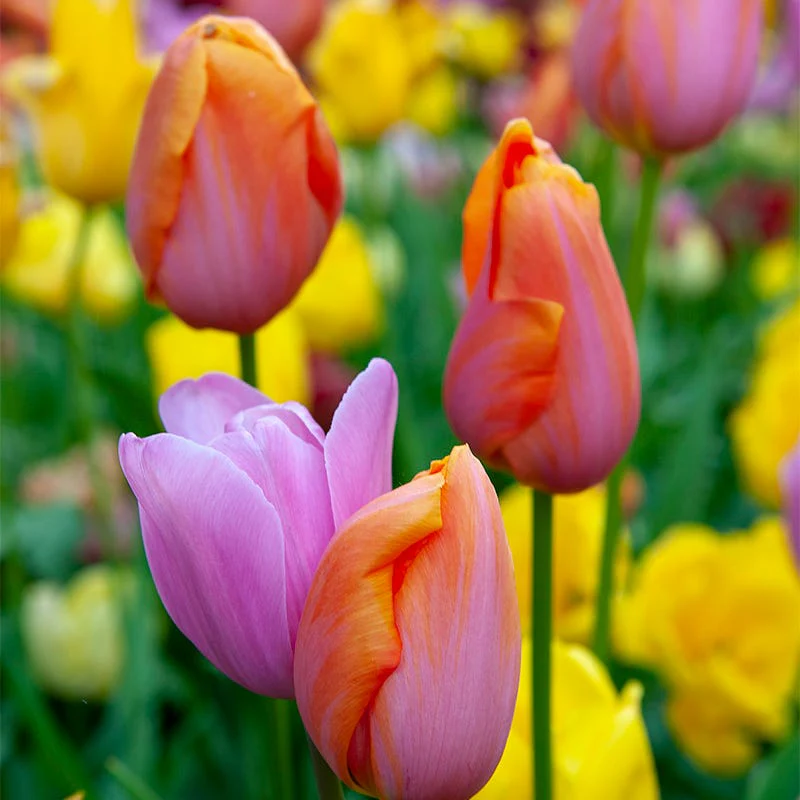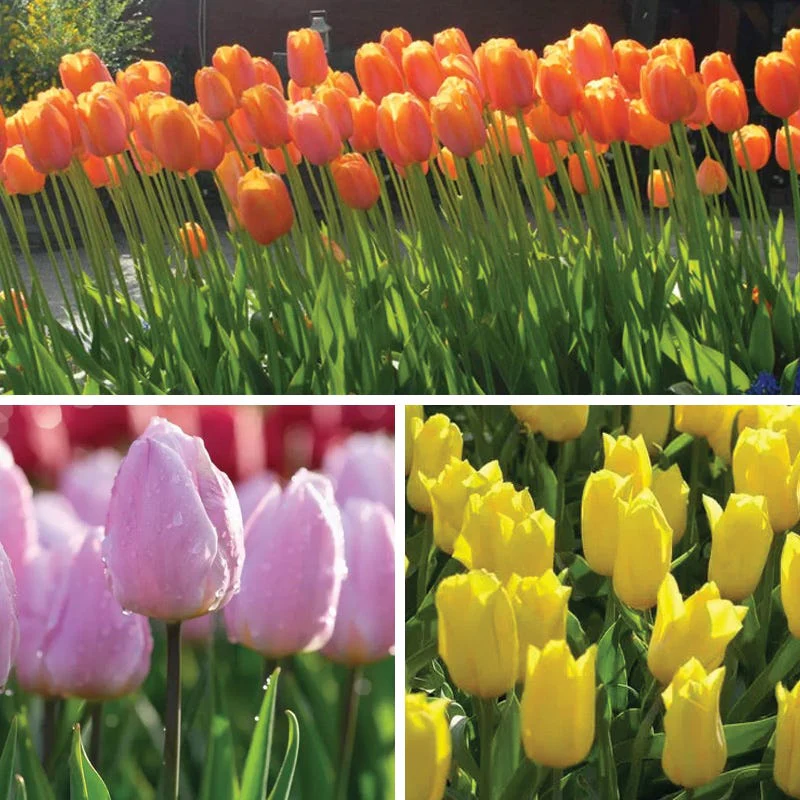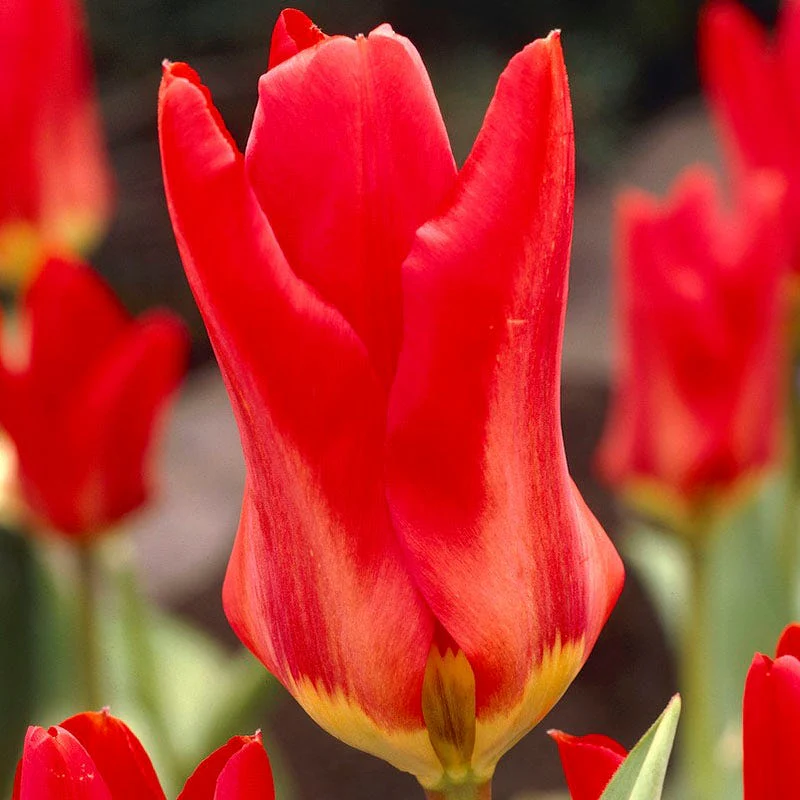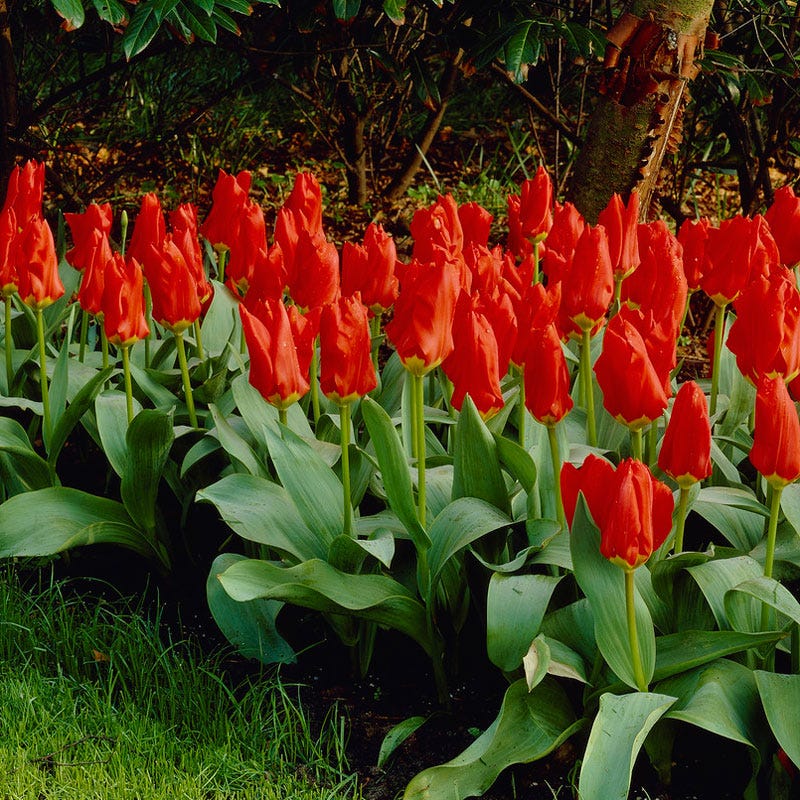
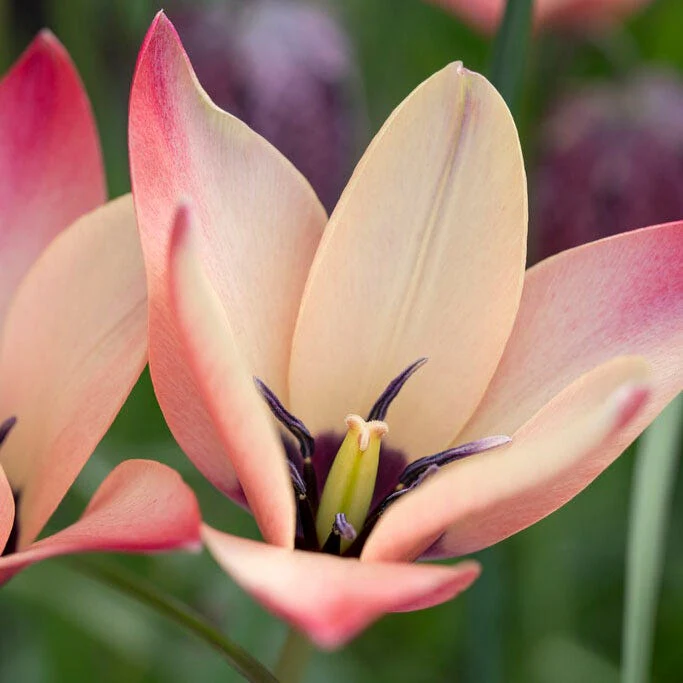
Annika Tulip
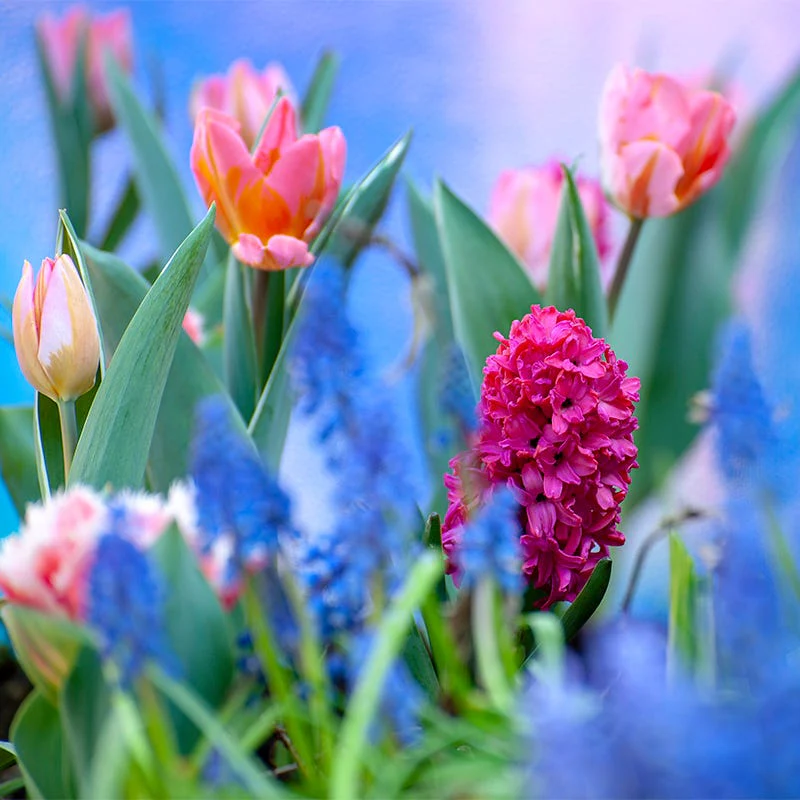
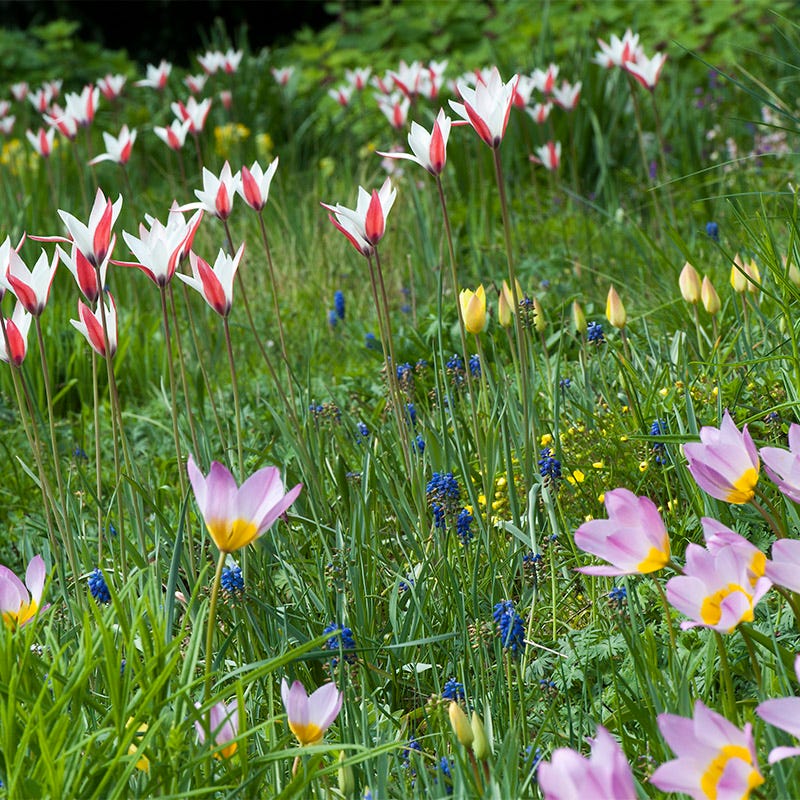
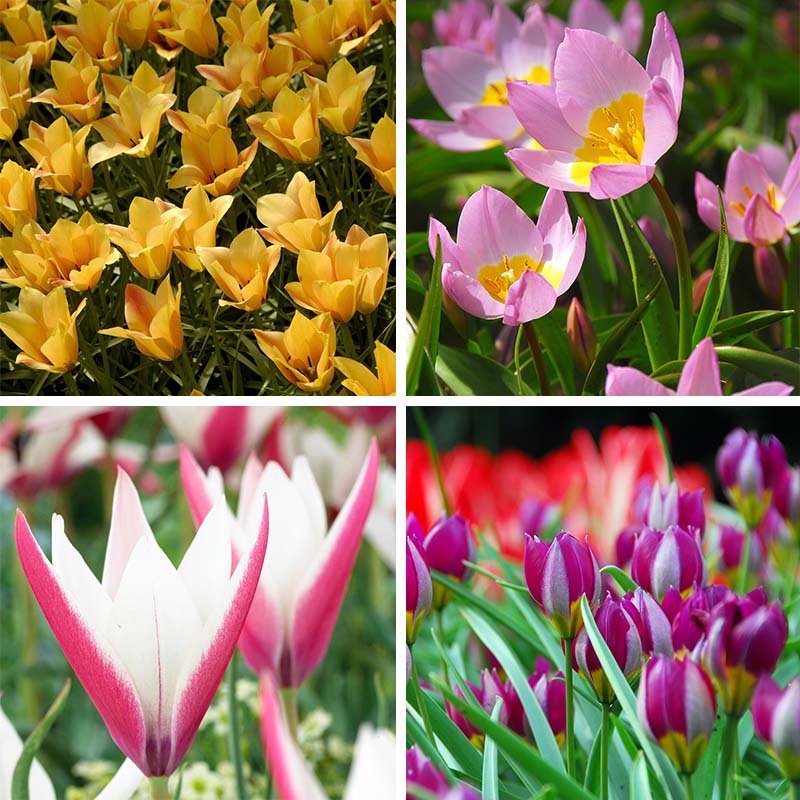
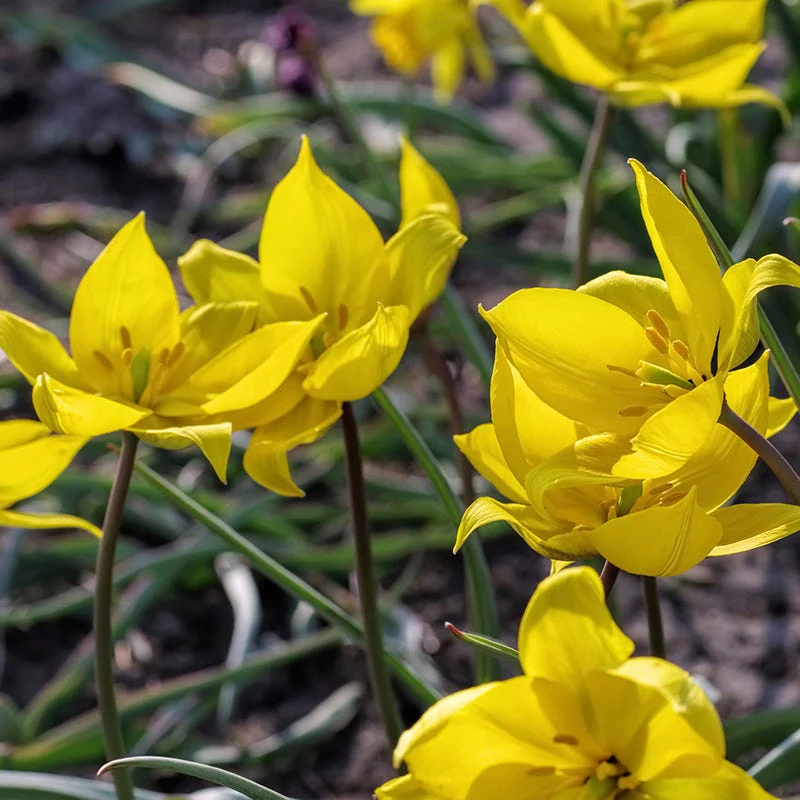
Growing Wildflower Tulips: Wildflower Tulips, also called Species Tulips, are the original heirloom flowers used to hybridize and develop the hundreds of Tulip varieties available today. Blooming in early spring, their petite flowers feature brilliant jewel-tone colors and elegant grassy foliage. Wildflower Tulips are reliably hardy, deer resistant, and perennial, returning every spring and naturalizing over time. These little beauties represent the origins of all tulips, and are beloved for their ability to perennialize and return year after year as they slowly multiply in the landscape. These tulips bloom more reliably in southern gardens than hybrid tulips. Plant bulbs in fall, in flowerpots, in the front of the garden, or in a large swath in your lawn, where their early-season beauty can be appreciated. Many varieties are native to arid regions, so they are good for dry, sunny, well-draining sites, including rock gardens. After flowering is done, allow foliage to die back naturally to feed the bulbs for next season’s blooms.
More Images
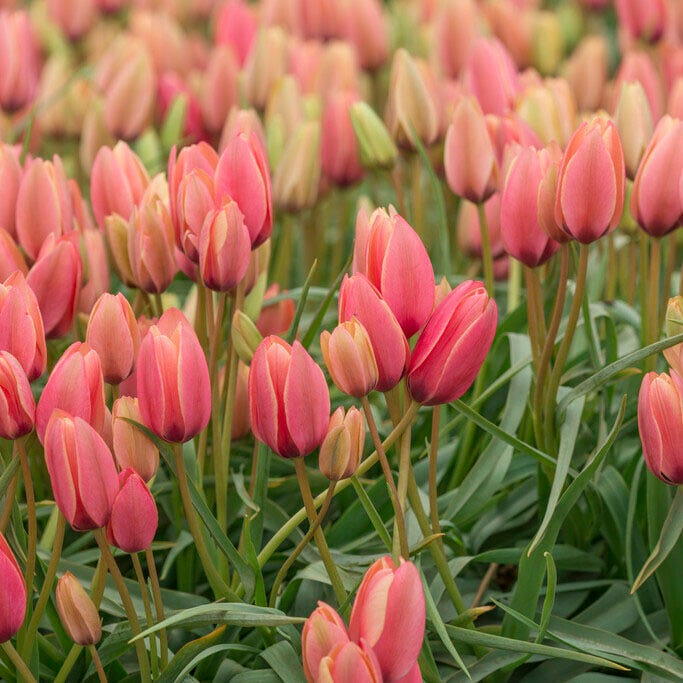
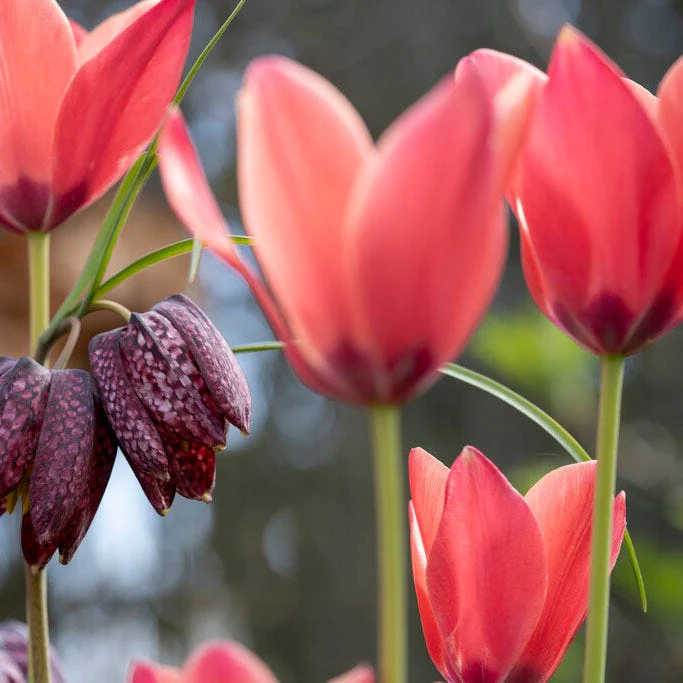
Annika Tulip
Growing Wildflower Tulips: Wildflower Tulips, also called Species Tulips, are the original heirloom flowers used to hybridize and develop the hundreds of Tulip varieties available today. Blooming in early spring, their petite flowers feature brilliant jewel-tone colors and elegant grassy foliage. Wildflower Tulips are reliably hardy, deer resistant, and perennial, returning every spring and naturalizing over time. These little beauties represent the origins of all tulips, and are beloved for their ability to perennialize and return year after year as they slowly multiply in the landscape. These tulips bloom more reliably in southern gardens than hybrid tulips. Plant bulbs in fall, in flowerpots, in the front of the garden, or in a large swath in your lawn, where their early-season beauty can be appreciated. Many varieties are native to arid regions, so they are good for dry, sunny, well-draining sites, including rock gardens. After flowering is done, allow foliage to die back naturally to feed the bulbs for next season’s blooms.
Product Information
Product Information
Shipping & Returns
Shipping & Returns
Description
Growing Wildflower Tulips: Wildflower Tulips, also called Species Tulips, are the original heirloom flowers used to hybridize and develop the hundreds of Tulip varieties available today. Blooming in early spring, their petite flowers feature brilliant jewel-tone colors and elegant grassy foliage. Wildflower Tulips are reliably hardy, deer resistant, and perennial, returning every spring and naturalizing over time. These little beauties represent the origins of all tulips, and are beloved for their ability to perennialize and return year after year as they slowly multiply in the landscape. These tulips bloom more reliably in southern gardens than hybrid tulips. Plant bulbs in fall, in flowerpots, in the front of the garden, or in a large swath in your lawn, where their early-season beauty can be appreciated. Many varieties are native to arid regions, so they are good for dry, sunny, well-draining sites, including rock gardens. After flowering is done, allow foliage to die back naturally to feed the bulbs for next season’s blooms.